Technical cleanliness as a strategic Success Factor
Partners in the immediate environment, such as a leading global technology group for high-precision optical and mechatronic components, must achieve and demonstrate maximum cleanliness in the sub-nanometre range. Strict criteria also apply to suppliers along the supply chain.
Manufacturing at the highest Level – the Challenge of Cleaning
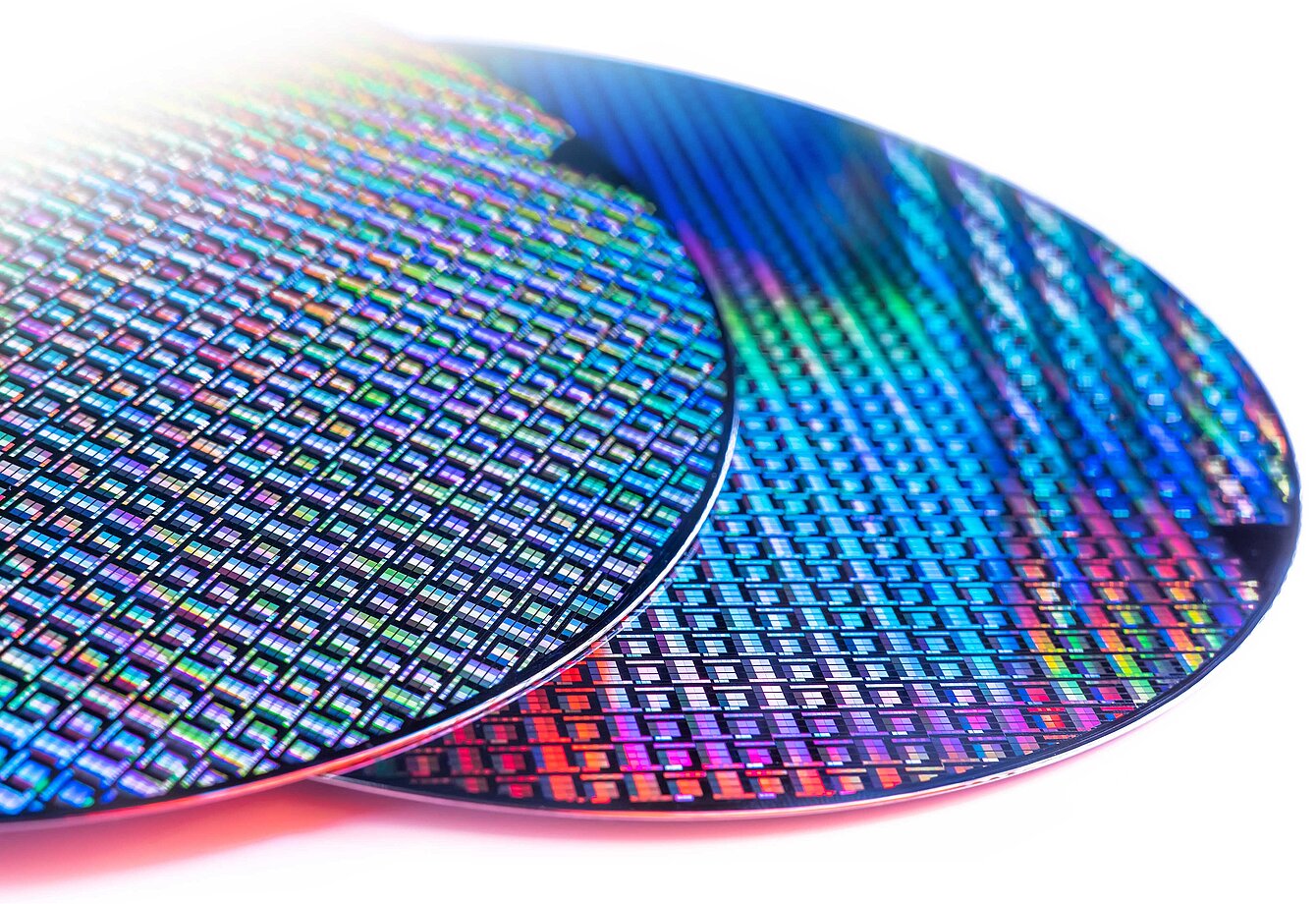
Few industries have such extreme requirements as the semiconductor and optoelectronics industries. Here, purity is not only a quality feature, but also a prerequisite for functionality. Systems for EUV lithography, wafer scanners, modules for mask inspection and process control only work reliably if even the most delicate elements reliably meet high-purity specifications.
For cleaning, this means that it must not conform to standards, but – like the target industries – set new ones. Only in this way can assemblies be manufactured that can withstand ultra-high vacuum, clean rooms and extreme optical conditions in the long term – both for the largest market leaders and for specialised partners in the value chain.
MAFAC cleaning solution for a global, strategic technology partner
With locations in Europe, Asia and North America, the company is one of the leading international suppliers of high-precision optical and mechatronic components. It is a strategic partner for OEMs and Tier 1 applications in high-purity environments.
Its portfolio ranges from individual optics to complex modules. The focus is on high-performance optics, combined with strict requirements for cleanliness, functionality and traceability.
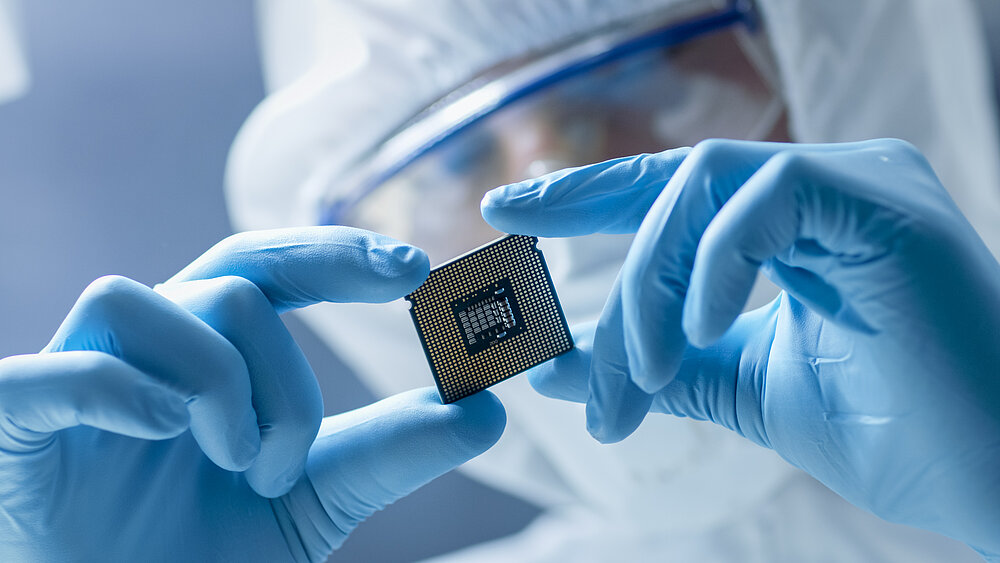
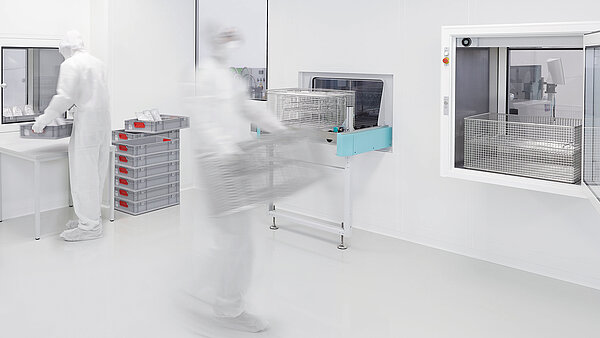
Manufacturing takes place in ISO Class 7 and higher clean rooms, supplemented by air-conditioned high-end areas with virtually particle-free conditions. Precise manufacturing and coating processes ensure that optical surfaces and mechanical structures achieve exactly the required geometry and cleanliness.
In order to minimise the greatest source of contamination – humans – production is highly automated. Production takes place in medium to small batch sizes, often with only a few dozen components per batch. High-purity glass, special ceramics, coated metals and other structurally critical materials are processed. The tolerances for optical surfaces and in the sensitive assembly processes are in the sub-micrometre range, i.e. significantly less than 0.001 µm.
The requirements for high purity vary from industry to industry – in semiconductor manufacturing, they are extremely high and continue to rise. Our aim is to meet these requirements in a future-proof manner and to design processes that grow with their tasks.
Kai Klussmann, Head of Product Management at MAFAC
Cleaning – the supreme Discipline with special Challenges
Under high-purity conditions, cleaning is more than just a standard process. Static methods such as immersion baths or simple spray technology are not sufficient here. They only partially cover complex, internal geometries. Minimal but functionally critical residues remain in the finest bores, channels and winding cavities. Particulate and filmic contaminants below the detection limit are particularly challenging. Complete removal of molecular residues and analytically reliable verification of the required purity using methods such as RGA (residual gas analysis) are required.
And finally, there is the risk of recontamination in the cleanroom process: after successful cleaning, components can be recontaminated by process air, media flow or open transfers. The higher the air and water quality requirements, the greater the challenge of eliminating this risk.
Why MAFAC – and what made the Difference
From the outset, MAFAC does not talk about machine features, but about what really matters in the high-purity environment: validation, cleanroom suitability, media flow and traceability. Discussions are conducted on an equal footing, with technical depth and a strong understanding of the industry.
MAFAC did not talk about machines, but about processes and procedures such as MAFAC VAP dynamic pressure change technology, and demonstrated the effect directly on our components. That was the 'aha' moment for us!
Customer's conclusion
Instead of presentations and general statements, real tests are carried out: original components are cleaned in the MAFAC Customer Centre under clean room conditions – with controlled air and water flow, traceable drying and documented parameters. Customers can follow the process live, the results are tangible and can be directly transferred to their own production.
The turning point comes when the operating principle of MAFAC VAP (Vacuum Activated Purification) is explained and demonstrated on a specific component. By now, it is clear that MAFAC VAP is superior to conventional systems when it comes to cleaning complex geometries. This is the game changer, and the customer gives the go-ahead.
With minimal effort on the part of the customer, a validated cleaning result is achieved in just a few weeks – directly transferable to the production environment. Based on the tests, MAFAC works with the customer to develop a multi-stage process tailored to components, materials and limit values.
At the heart of the process is the combination of the patented MAFAC VAP pressure change technology with ultrasound, supplemented by defined rinsing and drying steps and precise media control.
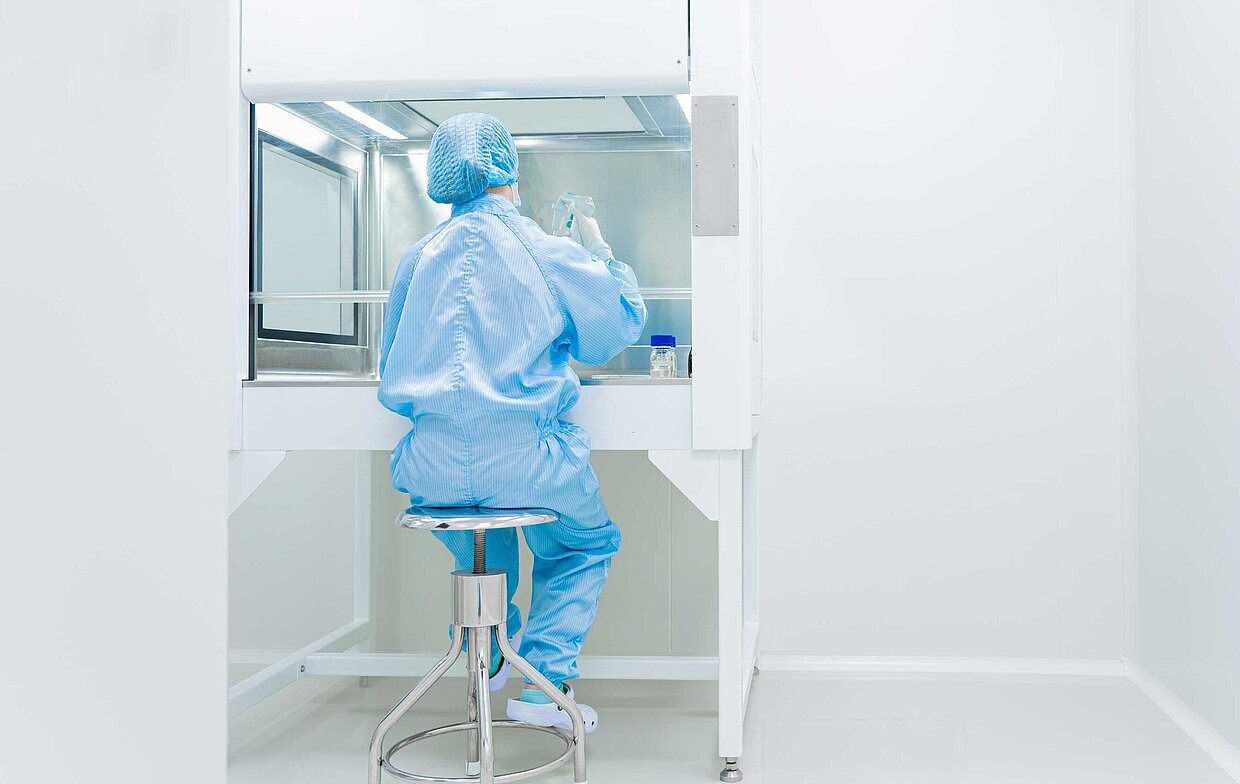
All process steps are tested under real conditions on the customer's future MAFAC cleaning system in the company's own clean room. Using HEPA-filtered XCDA process air, treated ultrapure water quality and in a strictly controlled environment. This eliminates recontamination, optimises parameters and verifies stable processes – even before integration into series production.
It is not only the technology that is decisive here, but also MAFAC's methodological expertise: results are interpreted together with the customer, translated into process models and integrated into existing QA and OEM structures.
The result: every step is traceable and documentable. Complex geometries are reliably achieved and the required high-purity standards are reproducibly maintained. This results in a validatable overall process that reliably meets the requirements of the customer and its target markets and secures them in the long term.
The new cleaning solution fits seamlessly into the customer's production structure. Every process – from cleaning to rinsing to drying – is reliably documented, auditable and integrated into existing QA and OEM structures. This reduces the qualification effort, speeds up approvals and increases safety in everyday production.
For MAFAC, the project confirms its own positioning:
as an architect for cleanliness, it is able to reliably master high-purity requirements both technically and methodologically.
Cleaning is becoming a key competence – for OEMs as well as for suppliers who want to qualify as partners in the global semiconductor supply chain.