
Validatable Cleaning in Medical Technology
Efficient, reproducible, future-proof.
You distribute or manufacture medical devices and components that must be produced in
a clean, fully documented, and MDR-compliant manner throughout all stages of production.
MAFAC designs a cleaning process for this purpose that integrates seamlessly, reliably removes all typical contaminants—
from film-like deposits to bioburden—and can be precisely adapted to new specifications or variants.
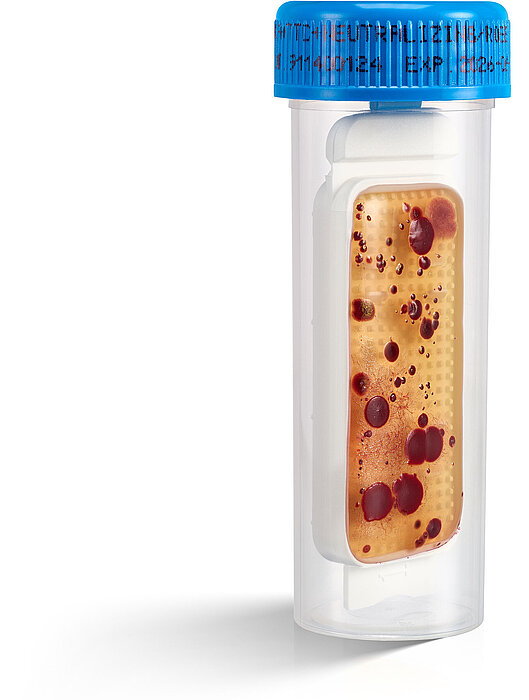
Understanding processes. Ensuring cleanliness.
Medical technology requires processes that ensure the highest quality at every step. This applies to your entire manufacturing process—and therefore also to cleaning. Whether it’s pre-cleaning after machining, intermediate cleaning as a basis for subsequent steps such as coating, or final cleaning with complete drying: MAFAC develops the right cleaning solution.
To do this, we bring our expertise in demanding industries and sensitive applications to the table right from the start.
We analyze your components, identify typical contaminants, and define the cleaning strategy. Based on this—and taking into account additional criteria such as production volumes, standards, and required performance—we select the appropriate cleaning system from our portfolio and the optimal combination of our patented technologies.
The result is a process that achieves reproducible technical cleanliness and integrates seamlessly into your production structure—today and for future tasks.
- Reliably clean complex geometries. With deep-penetrating action in lumens, capillaries, and shaded areas.
- Ensure audit-proof and validatable process control. With fully documented and verifiable parameters.
- Reliably manage variants, quantities, and new products. With consistent results across component changes and production runs.
- Achieve targeted drying. Completely dry on surfaces and within internal structures, ready for subsequent processes and logistics.
- Ensure the quality of subsequent processes. Technical cleanliness for coating, assembly, sterilization, or packaging.
- Maintain cleanliness in accordance with common standards. For example, in accordance with VDA 19, ISO 16232, or ISO 10993.
Demonstrate cleanliness. In accordance with your industry’s standards.
Medical devices must meet strict cleanliness standards. Our cleaning solutions are precisely tailored to your industry’s standards as well as internal and customer-specific requirements—and reliably and consistently meet these standards.
Upon request, we can integrate your internal testing procedures and document the required level of cleanliness.
| Residues | Standards |
|---|---|
| Particulate Residues | VDA 19, ISO 16232, ASTM F2459-12 |
| Film-Forming Impurities | ISO 10993-18, USP <643>, ASTM F2847-10 |
| Organic residues (TOC/THC) | ISO 10993-18, USP <643>, ASTM F2847-10 |
| Cytotoxicity | DIN EN ISO 10993-5, USP 87 |
| Bioburden | ISO 11737-1 |
| Endotoxins | DIN EN ISO 11737-3, USP <85> |
| Ionic residues | ISO 7888, USP <645> |
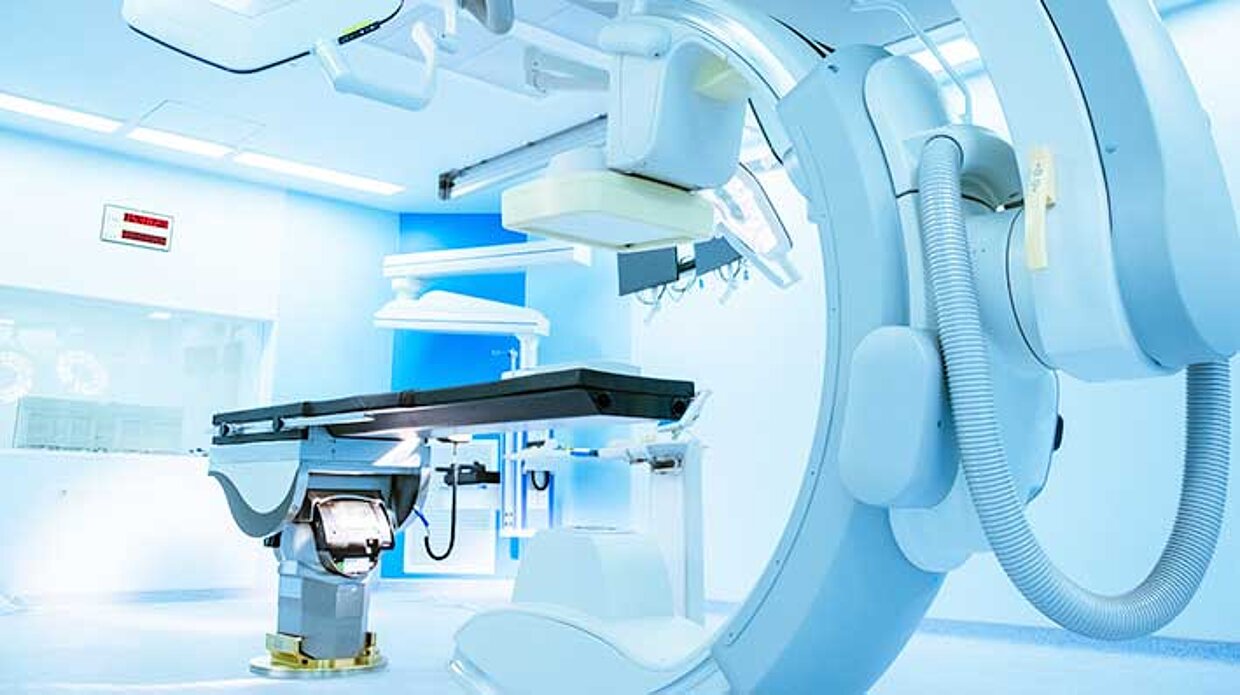
Applications
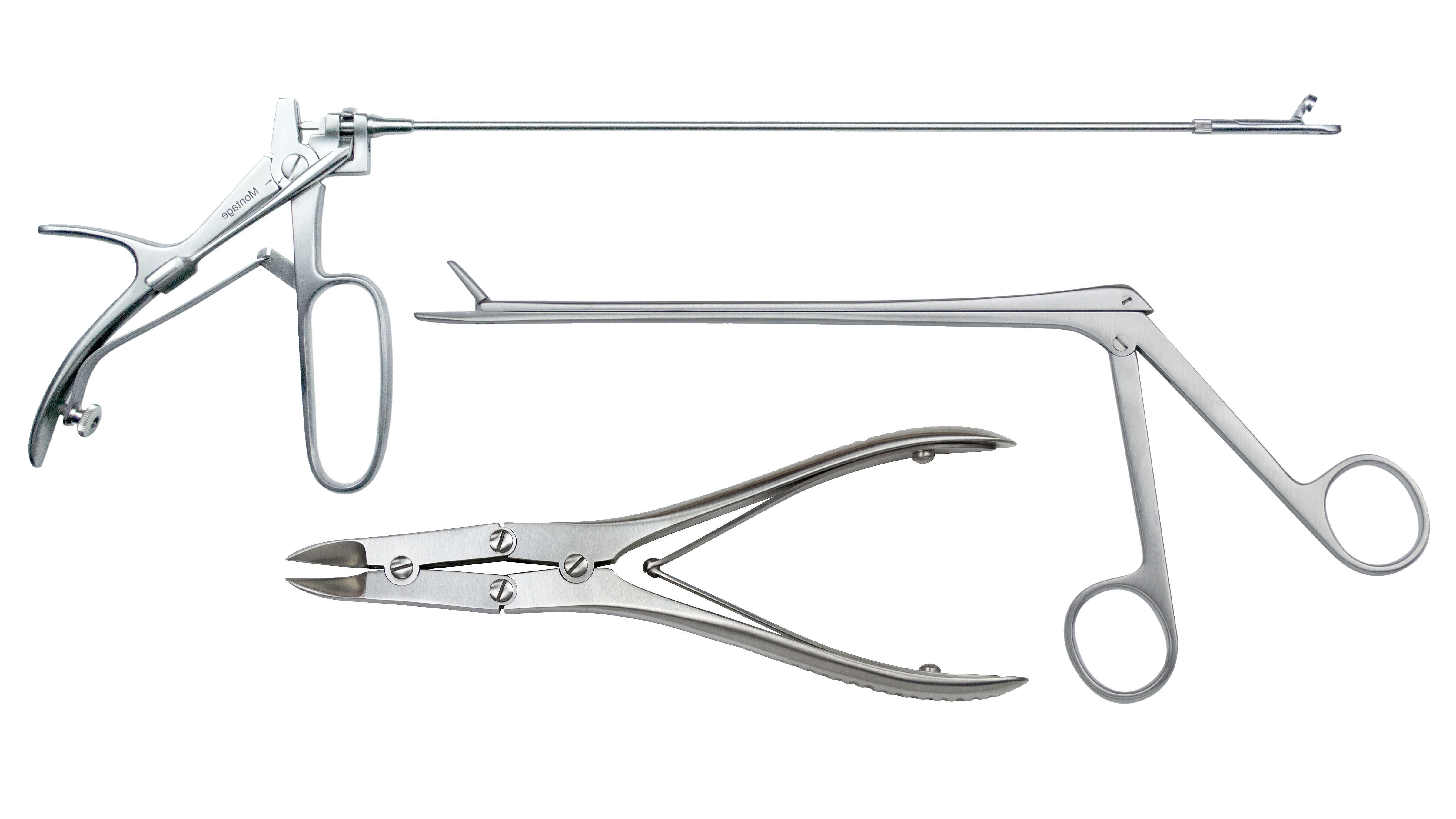
From A for abutments to I for implants to Z for forceps – we ensure the highest level of technical cleanliness for your medtech products.
>> See application examples
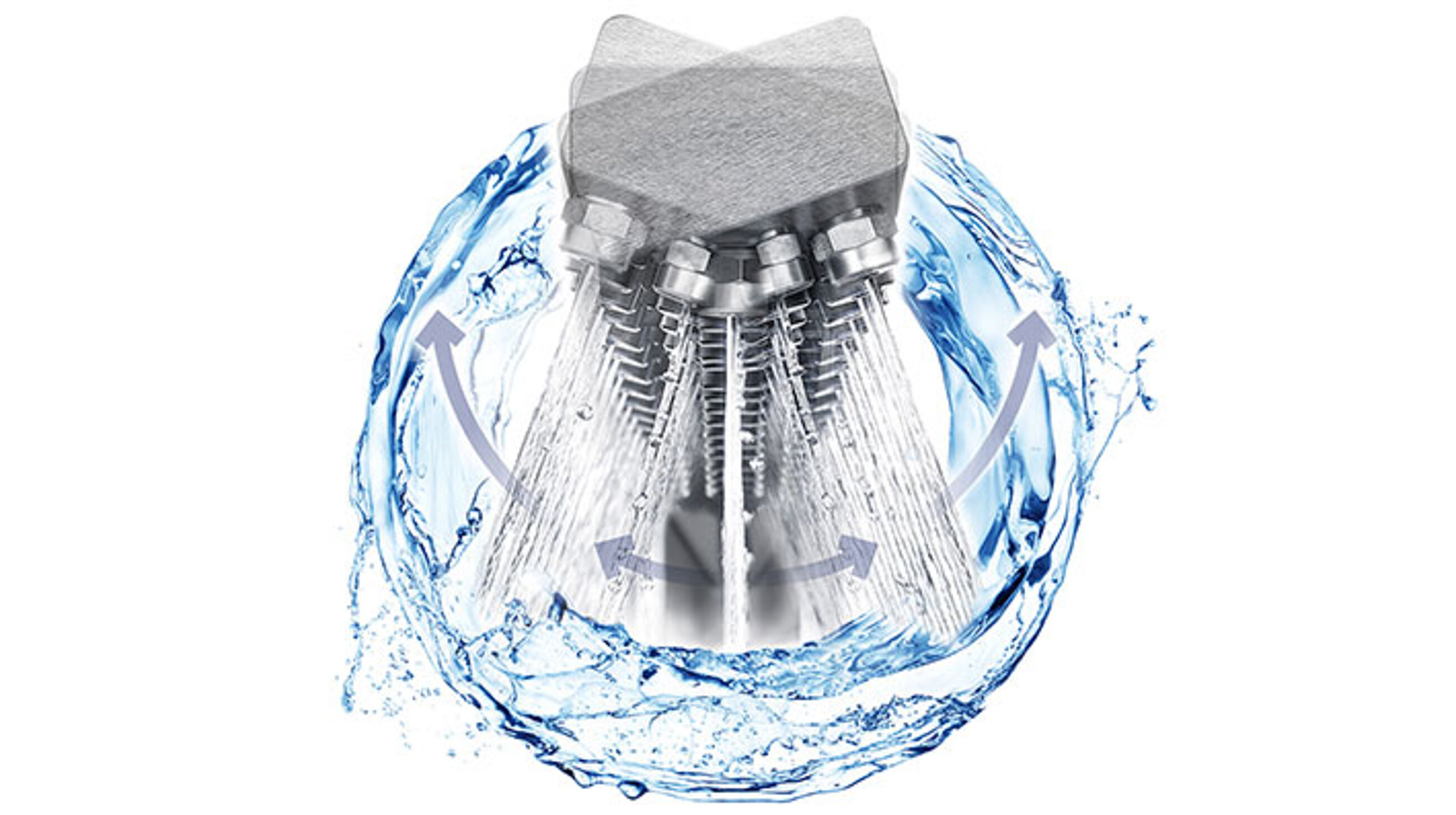
Technology and Process Expertise
Reproducible cleanliness stems from the right process—based on our patented technologies, precisely tailored to your specific application.
>> Learn more about our cleaning technologies
Can the cleaning process be validated in accordance with the MDR?
Yes, of course. Validation requires reproducible processes and measurable parameters. We document all variables—pressure, temperature, media quality, and time. The parameters are established during test cleanings, and multiple batches demonstrate stability. The process is traceable and auditable in accordance with the MDR and ISO 13485; if needed, we can work together to create the requirements matrix.
What role does geometry play in the cleanability of medical components?
Lumen, cavities, and capillary structures are difficult to access and therefore particularly critical. Shaded areas are best reached using directed flow and pressure pulsation. Even delicate mechanical components such as joints or springs pose risks of residual contamination; internal channels—such as those found in endoscopes—are typical problem areas. MAFAC Vector Kinematics and MAFAC VAP are designed for complex geometries and reliably remove both film-like and particulate residues.
Can MAFAC also integrate custom testing procedures?
Yes. We integrate specific residual contamination analyses directly into the process. Tests such as TOC, cytotoxicity, or chemical analyses are performed downstream, outside the system. Our processes can be tailored to both OEM-specific requirements and standards such as VDA 19, ISO 16232, or ISO 10993-18.
What are the advantages of combining the MAFAC VAP pressure-switching process with rotating ultrasound?
The MAFAC VAP pressure-alternating process penetrates deep into lumens and capillaries, while rotating ultrasound generates comprehensive cavitation. This combination reliably reaches complex internal areas and safely removes particles such as film-like residues. This ensures a high standard of cleaning even for demanding components, such as those used in surgery and endoscopy.
Does MAFAC also comply with the company's own standards and specifications?
Yes. We tailor processes beyond general regulations to company-specific limits and testing methods; programs for each component are stored in the system in a reproducible format. Freely definable parameters allow for customized specifications; documentation and validation are also possible in accordance with your internal quality assurance structures.