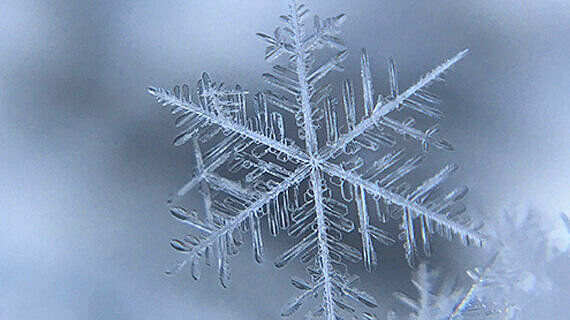
More than just white and cold: The hidden Powers of Snow
Snow as a natural Insulator
Why snow warms even though it is cold
Snow is mostly air. A thick layer of snow therefore acts like insulation: it traps warmth, protects the ground from frost, and keeps plants and animals from freezing. That’s why foxes, hares, and polar bears dig snow dens.
The trapped air inside the snow structure significantly reduces heat transfer – in snow dens, it is up to 15°C (27°F) warmer than outside.

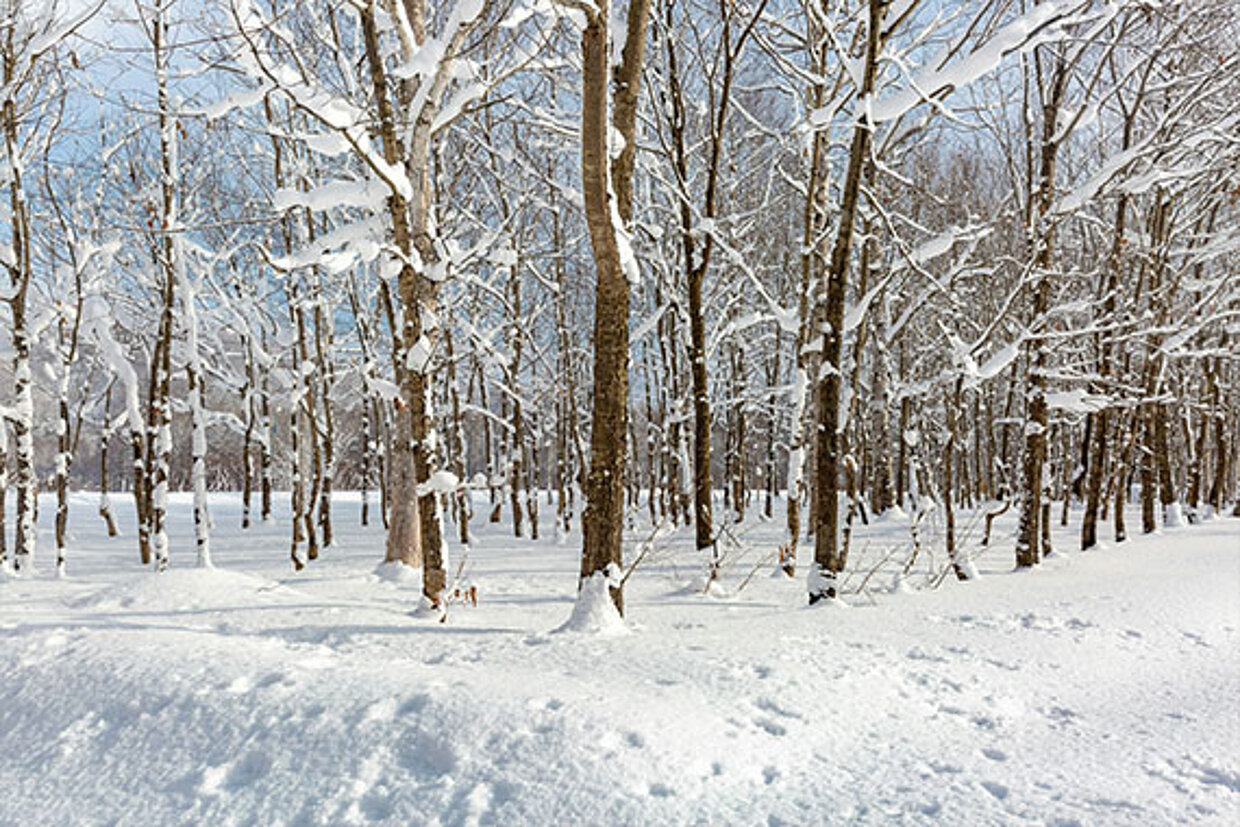
Snow “swallows” Sound
Fresh powder snow has an open-pore structure with up to 90 percent air content. These fine cavities absorb sound waves and make snowy landscapes particularly quiet. This is not just a perceived impression – it is a measurable physical effect.
How much Water is in Snow?
Fresh powder snow has an open-pore structure with up to 90 percent air content. These fine cavities absorb sound waves and make snowy landscapes particularly quiet.
This is not just a perceived impression – it is a measurable physical effect.
A rule of thumb: 10 cm of fresh snow ≈ 1 cm of water | Powder snow: ~0.1 g/cm³ | Wet snow: ~0.3-0.4 g/cm³
These values are critical for avalanche forecasts, flood protection, and water management in snow-rich regions.
Conclusion: Snow protects, dampens, and stores
What falls gently from the sky becomes a powerful force on the ground: snow insulates, absorbs noise, and stores water – quietly, efficiently, and entirely naturally. A masterpiece of physics that that gives us warmth where it is actually cold.
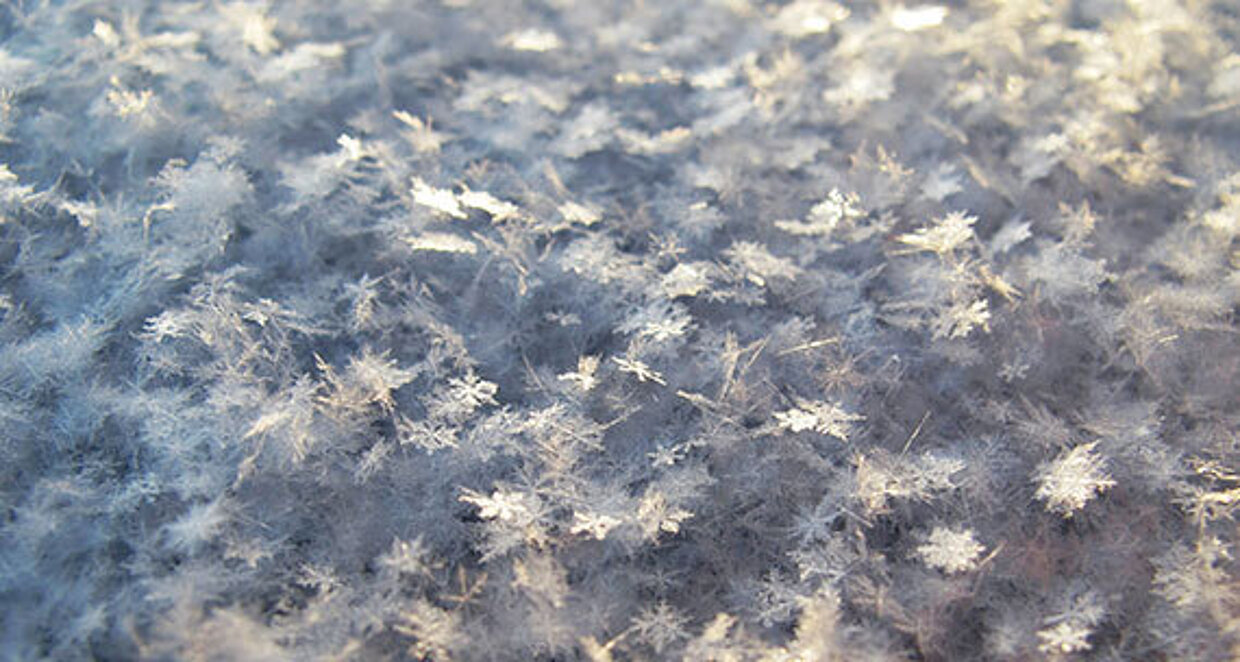
Curious how snowflakes form and why each one is unique?
Read Part 1: Snow Crystals – Frozen Geometry from the Sky