
Reproducible cleaning for plastics, elastomers, and composite materials
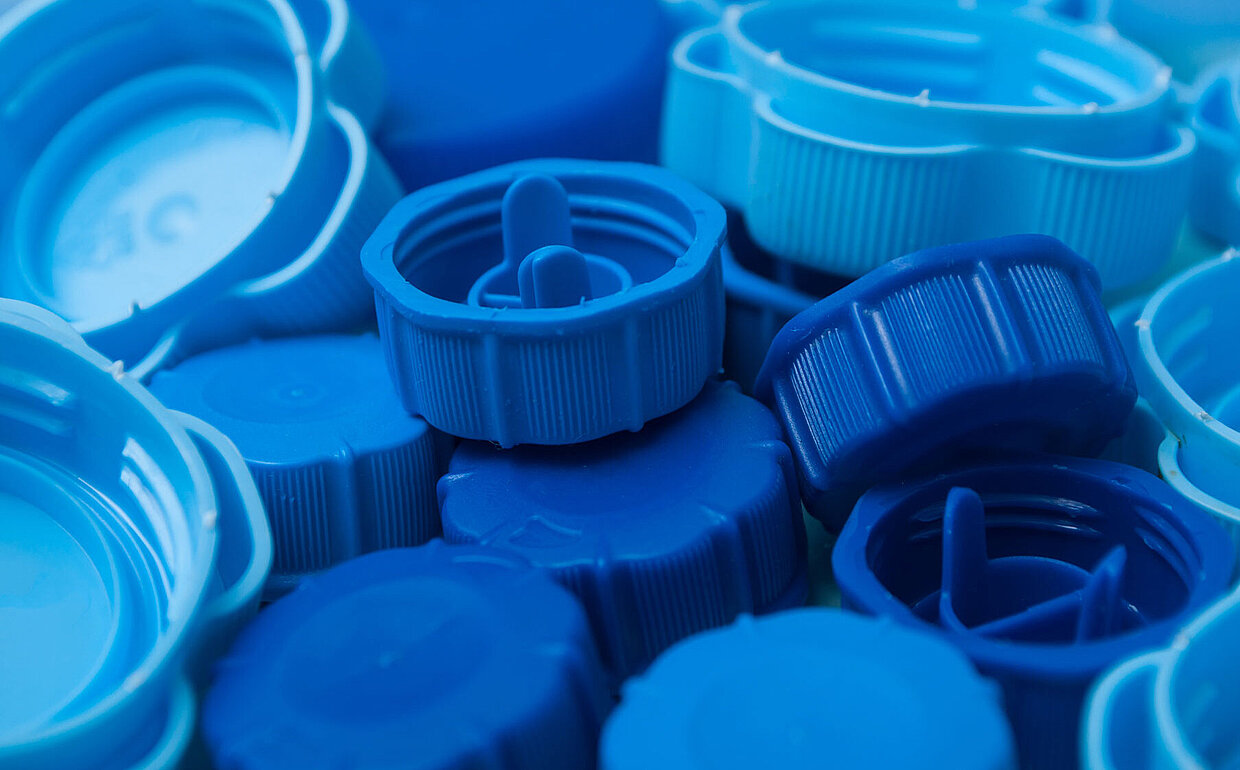
Mastering diversity. Targeted cleaning of plastics.
Plastics are used across a wide range of industries – from medical technology, automotive, and electronics to the cosmetic industry. Consequently, requirements regarding technical cleanliness – such as freedom from particles, defined surface characteristics, or hygiene – are equally diverse.
Since materials like elastomers or high-strength composites react differently, the cleaning process must be precisely tailored to the specific component. Achieving the desired drying result presents a particular challenge – whether the goal is to maintain a specific level of residual moisture or to ensure complete dryness.
Understanding processes. Ensuring cleanliness.
Materials with low thermal conductivity, capillary structures, recesses, or densely packed bulk goods can mean that residual moisture is removable only through long, uneconomical cycles when using conventional methods. If moisture remains in the component, germs can develop, metal inserts can corrode, or downstream processes can be impaired.
MAFAC therefore relies on patented technology for cleaning: processes such as MAFAC Vector Kinematics and MAFAC VAP pressure-swing technology ensure residue-free cleanliness and dryin – even for heat-sensitive materials.
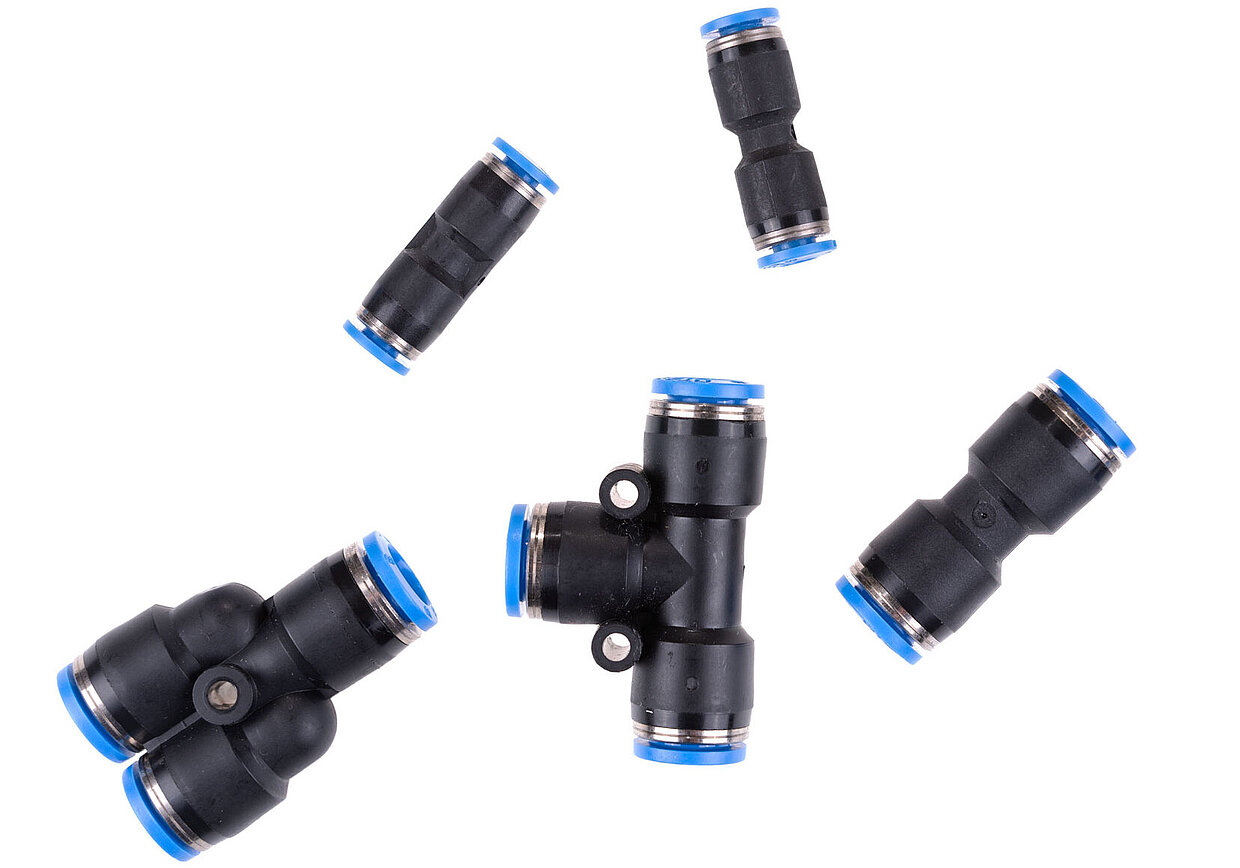
Ensure quality. Optimize preparation for downstream processes.
Technical cleanliness does not end with the cleaning stage. The goal is to ensure that components are ready for the next process step, meeting the required standards for cleanliness and residual moisture.
MAFAC cleaning solutions ensure clean components and stable processes – while remaining flexible enough to accommodate new materials, changing geometries, and increasingly demanding requirements.
Your benefits with MAFAC for plastic and elastomer components
- Cleaning tailored to the material with reproducible results. Processes adapted to the specific properties of plastics, elastomers, and composite materials.
- Targeted reduction of drying cycles. High-performance drying methods ensure plastic parts are completely free of residual moisture, despite their low thermal conductivity.
- Reliable component separation during the process. Rotation during drying prevents elastomer seals and flexible plastic parts from sticking together when processed in bulk.
- Reliably dry hybrid components. Complete drying of interfaces between plastic and metal or integrated electronics.
- Optimally prepare for downstream processes. Defined surface quality for reliable bonding, coating, and printing.
- Flexible regarding components and batch sizes. Adaptable process parameters for various materials, geometries, and production volumes.
Prove cleanliness, in accordance with your industry’s standards.
Whether for medical technology components, connectors, sensor housings, or seals, cleanliness requirements vary depending on the target industry and application. MAFAC cleaning solutions align with relevant standards, specifications, and customer-specific requirements – while also taking into account the specific properties of the materials involved. Upon request, we can integrate your internal testing procedures and document the required level of cleanliness.
| Material group | Representative components | Focus on cleaning and drying |
|---|---|---|
| Thermoplastics | Connectors, sensor housings, precision parts | Freedom from particles, drying of fine capillaries and internal areas |
| Elastomeres and Rubber | O-rings, diaphragms, radial shaft seals | Prevention of adhesion, complete drying even within the bulk material |
| Hybrid materials | Sensor housings, components with metal inserts | Cleanliness of the gap, complete drying to protect against corrosion on metal inserts |
| Fiber-reinforced composites (CFRP/GFRP) | Lightweight components, structural components | Cleaning and drying appropriate to the material, given limited thermal resistance. |
| High-performance polymers | PEEK components, PPS components | High level of freedom from residues for defined technical cleanliness |
FAQ: Plastics, elastomers, and composite materials. Your questions, our answers.
Can MAFAC completely dry plastic components faster?
Yes. During the cleaning process itself, MAFAC ensures the physical removal of water from complex internal areas through component rotation. We complement this by combining appropriate drying methods to achieve complete drying with short cycle times.
Can MAFAC clean various materials in a manner appropriate to the material?
MAFAC precisely tailors the cleaning process and all relevant parameters—from temperature and cleaning additives to process times—to the material, component, and target application, thereby achieving the required technical cleanliness while protecting the material and surfaces.
How is material adhesion prevented in bulk solids?
For O-rings, seals, and other flexible components, continuous rotation keeps the parts in motion while simultaneously facilitating water drainage. This prevents adhesion and ensures the components are dry and separated, ready for subsequent processes.
Are the parts and components immediately ready for subsequent processes?
Yes. Coordinated cleaning and complete drying – including within complex geometries and internal areas – create defined conditions for downstream processes.
Does MAFAC also meet stringent cleanliness requirements?
Yes. MAFAC tailors the cleaning process to the required level of technical cleanliness and meets specific specifications regarding the absence of particles and residues as well as surface quality – for example, in medical technology, precision electronics, and the cosmetic industry.